Make It Official: Send Those Save The Dates
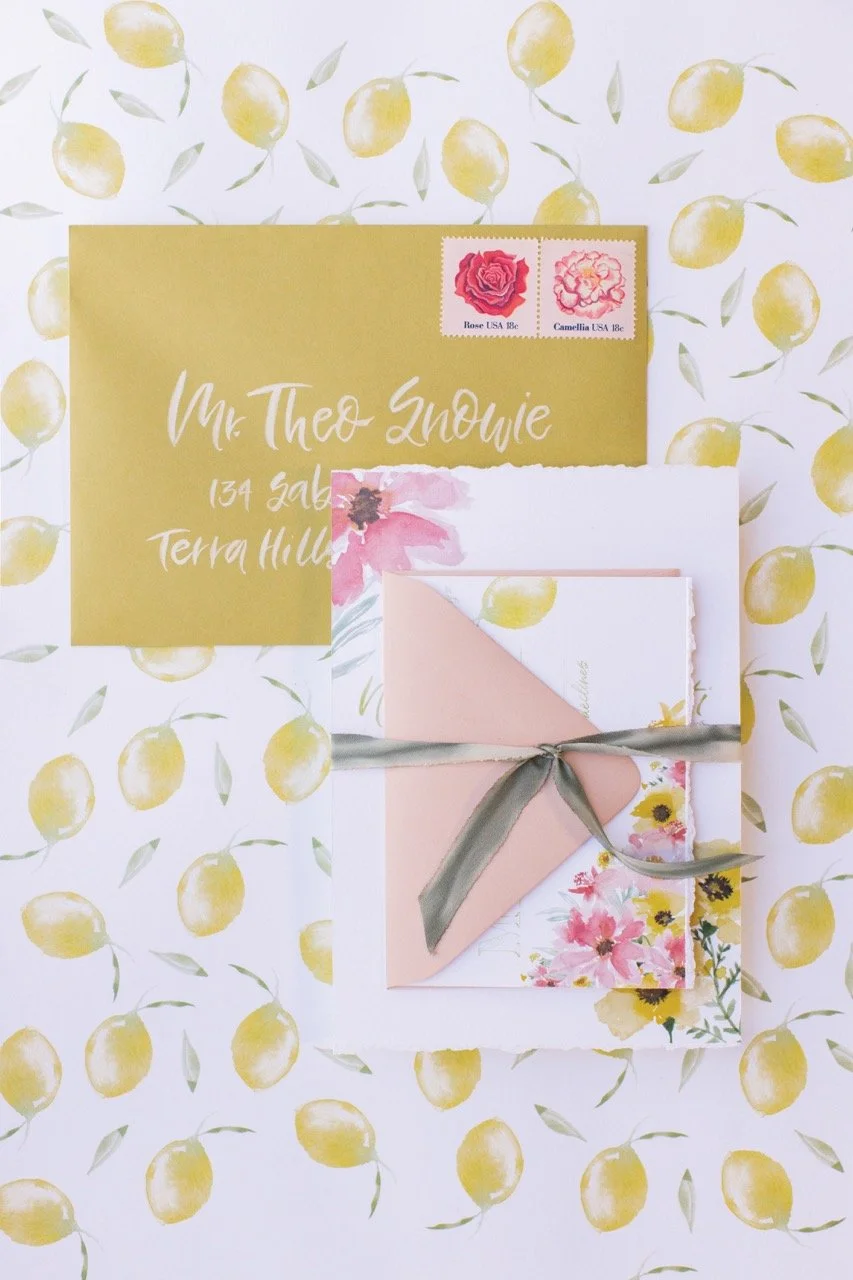
Save the Dates are the official announcement that your wedding planning is no longer just an idea — it’s happening. Whether you’re sending beautifully printed cards, building a wedding website, or using a combination of both, this is your first opportunity to share your celebration with the people you love.
Timing matters here. Most couples send Save the Dates around 6–8 months before the wedding, but for destination weddings or peak-season Midwest dates in places like Des Moines, Eastern Iowa, or Omaha, sending them closer to 9–12 months out can be helpful. The earlier notice gives guests time to request time off work, book travel, and plan accommodations without stress.


See all the vendors we LUST for, that can help you with your big day!
Your wedding website becomes an essential companion to your Save the Dates. Think of it as your central hub for everything guests need to know. From hotel blocks and travel recommendations to registry details, schedules, engagement photos, and FAQs, it helps reduce the number of individual questions you’ll receive later in the planning process.





Set The Tone With Your Invitations
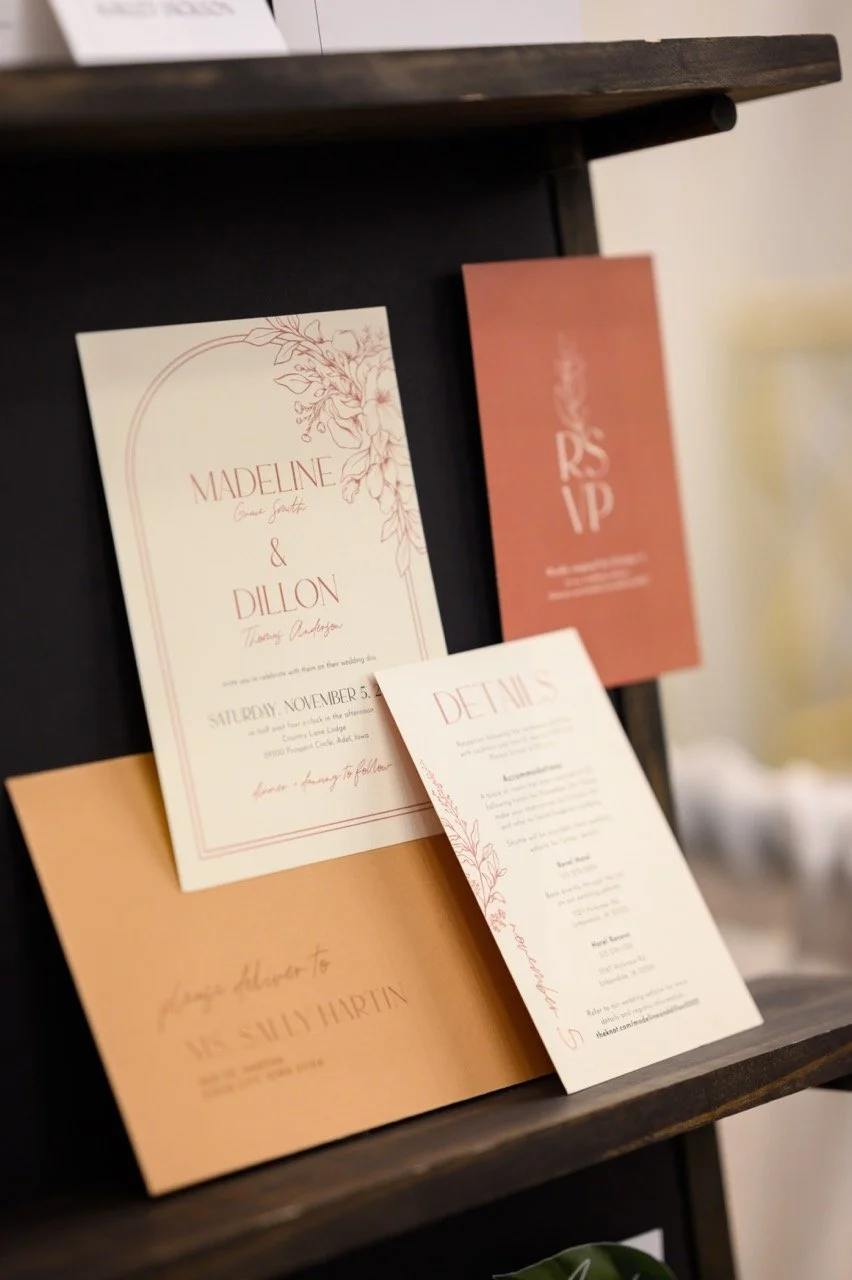
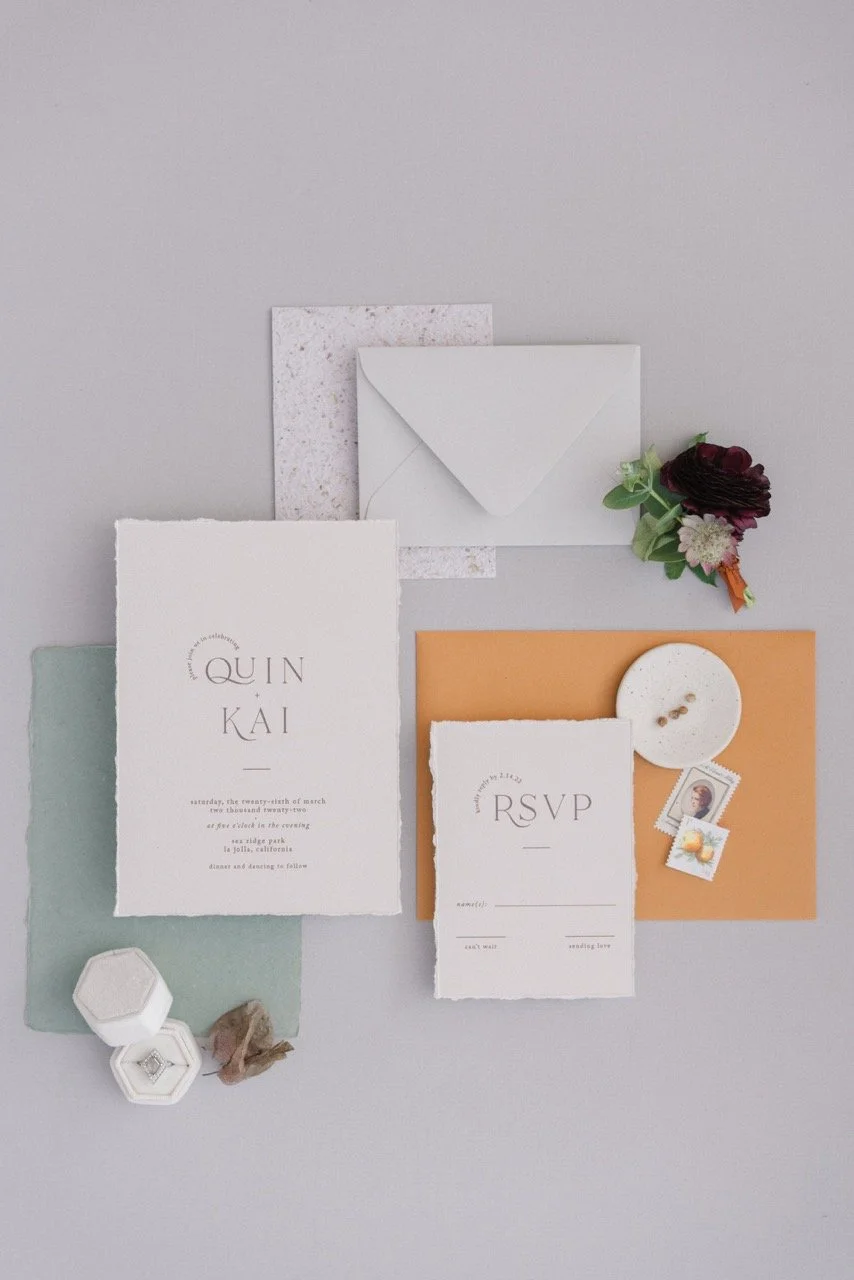
Your wedding invitation is more than paper — it’s the first formal expression of your wedding style. Long before guests arrive at your venue, your invitation suite gives them a sense of what to expect.
Is your celebration black-tie and formal? Relaxed and rustic? Modern and minimalist? Colorful and expressive? Your invitations subtly communicate that tone and help guests prepare accordingly.
When designing invitations, consistency is key. Fonts, colors, paper texture, and wording should align with your overall wedding aesthetic. Many couples choose to carry design elements from their invitations into day-of stationery, such as menus, signage, and place cards, to create a cohesive visual experience.
There are also many options at different price points, from fully custom suites to semi-custom designs and small local stationery designers who offer personalized touches. No matter your budget, thoughtful design choices can still make a strong impact.






Register Like A Pro
Gift registries have evolved significantly over the years. Today, couples are encouraged to register for a mix of traditional household items, upgraded essentials, and experience-based gifts.
A helpful approach is to think in tiers. Include a range of price points so guests feel comfortable choosing what works best for them. This makes gifting more inclusive and ensures you receive a variety of items rather than duplicates or gaps.
Beyond traditional home goods, many couples are also incorporating honeymoon funds, travel experiences, date nights, and cash funds into their registries. These options can be especially meaningful for couples who already live together or prefer experiences over physical items.
Most registry platforms also offer completion discounts after the wedding, allowing couples to purchase remaining items at reduced prices. This is a helpful way to round out your home setup once the celebration is over.







Thoughtful Gifts & Favors
Wedding party and family gifts are an opportunity to show appreciation for the people who have supported you throughout your planning journey. These don’t need to be extravagant — what matters most is thoughtfulness and meaning.
Many couples choose personalized gifts that reflect relationships, shared memories, or practical items for the wedding day itself. Planning helps avoid last-minute stress and allows time for customization, engraving, or ordering delays.
As for guest favors, modern weddings are moving toward simplicity. While favors can be a sweet gesture, they’re not always essential. Guests are more likely to appreciate items that are edible, practical, or experiential. If a favor doesn’t serve a clear purpose, many couples choose to redirect that budget elsewhere.








Send The Invites (FINALLY!)
Wedding invitations are typically mailed 8–10 weeks before the wedding date. While this may feel last-minute, it’s actually the industry standard and allows enough time for guests to respond while still keeping details current.
Most couples set RSVP deadlines about 3–4 weeks before the wedding. This gives you time to finalize catering counts, seating charts, and rental needs without last-minute scrambling.
It’s also important to plan ahead for postage requirements. Many invitation suites include multiple pieces — RSVP cards, details cards, and heavier envelopes — which may require additional postage. A quick visit to the post office or weighing a sample set before mailing can prevent delays or returned invitations.
Once invitations are out, communication becomes key. Gently following up with guests who haven’t responded is a normal part of the process and helps ensure your final guest count is accurate.
At this stage of planning, stationery becomes more than communication — it becomes coordination. Every piece helps guide your guests smoothly into your wedding experience.