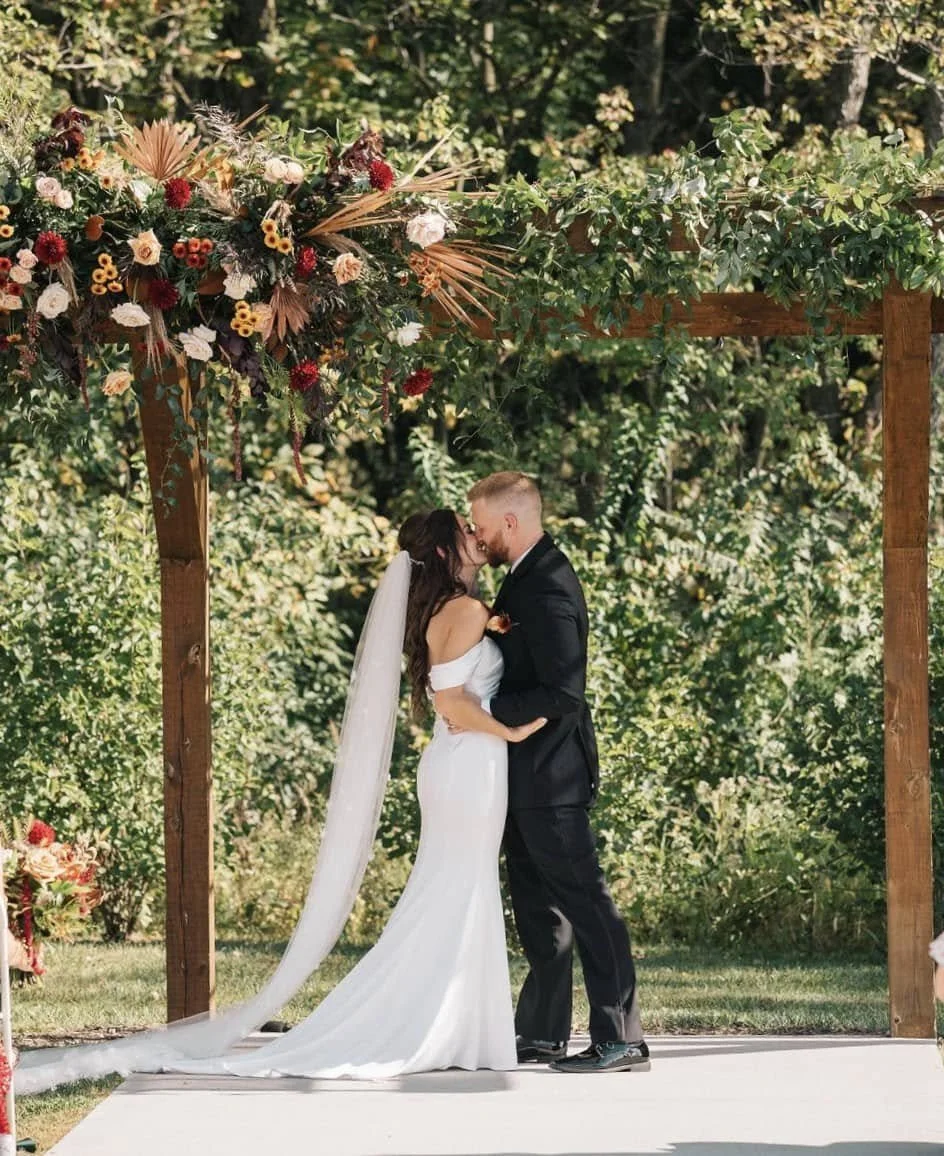

Picking Your Date & Venue
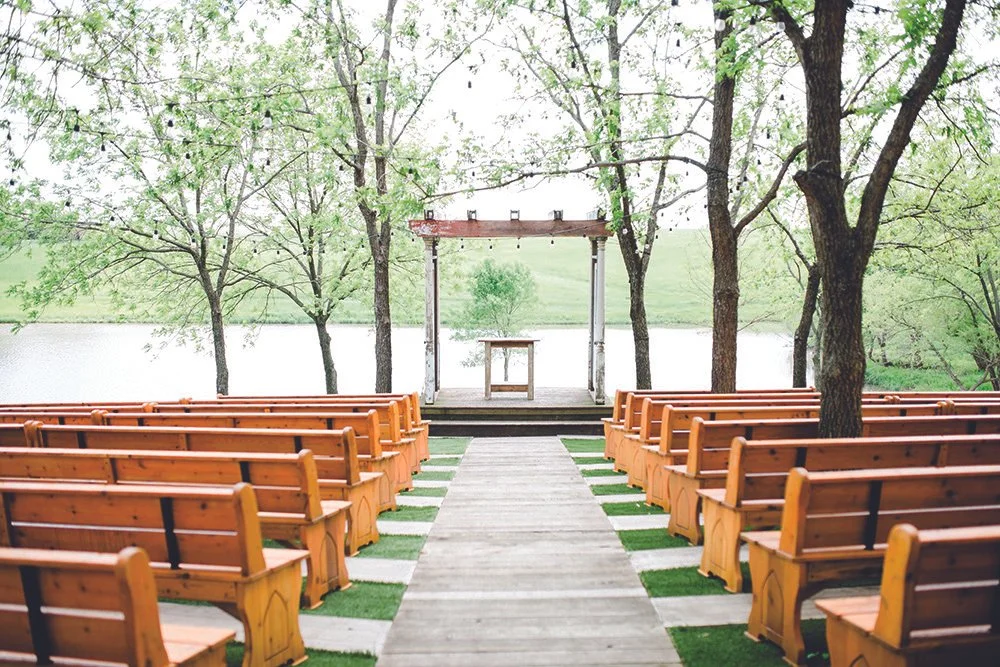
Few wedding decisions shape your celebration more than your venue. It influences your aesthetic, guest experience, vendor options, logistics, and often a large portion of your overall budget.
This is where many couples run into the classic wedding planning question: do you choose the date first or the venue first?
The answer depends on your priorities.
If you've always imagined getting married on a meaningful anniversary or specific holiday weekend, your date may lead the way. But if you've fallen completely in love with a venue, flexibility becomes your superpower.




See all the vendors we LUST for, that can help you with your big day!
One of the smartest approaches is choosing a season, month, or general timeframe instead of locking into a single date immediately. Staying open-minded expands your options dramatically, especially in popular wedding markets like Des Moines, Eastern Iowa, and Omaha, where sought-after venues can book well in advance.
As you tour venues, pay attention to more than just aesthetics. Beautiful photos matter, but so do logistics. Ask about guest capacity, weather backup plans, accessibility, parking, vendor flexibility, setup windows, décor policies, catering requirements, and what is — and isn't — included in the pricing.




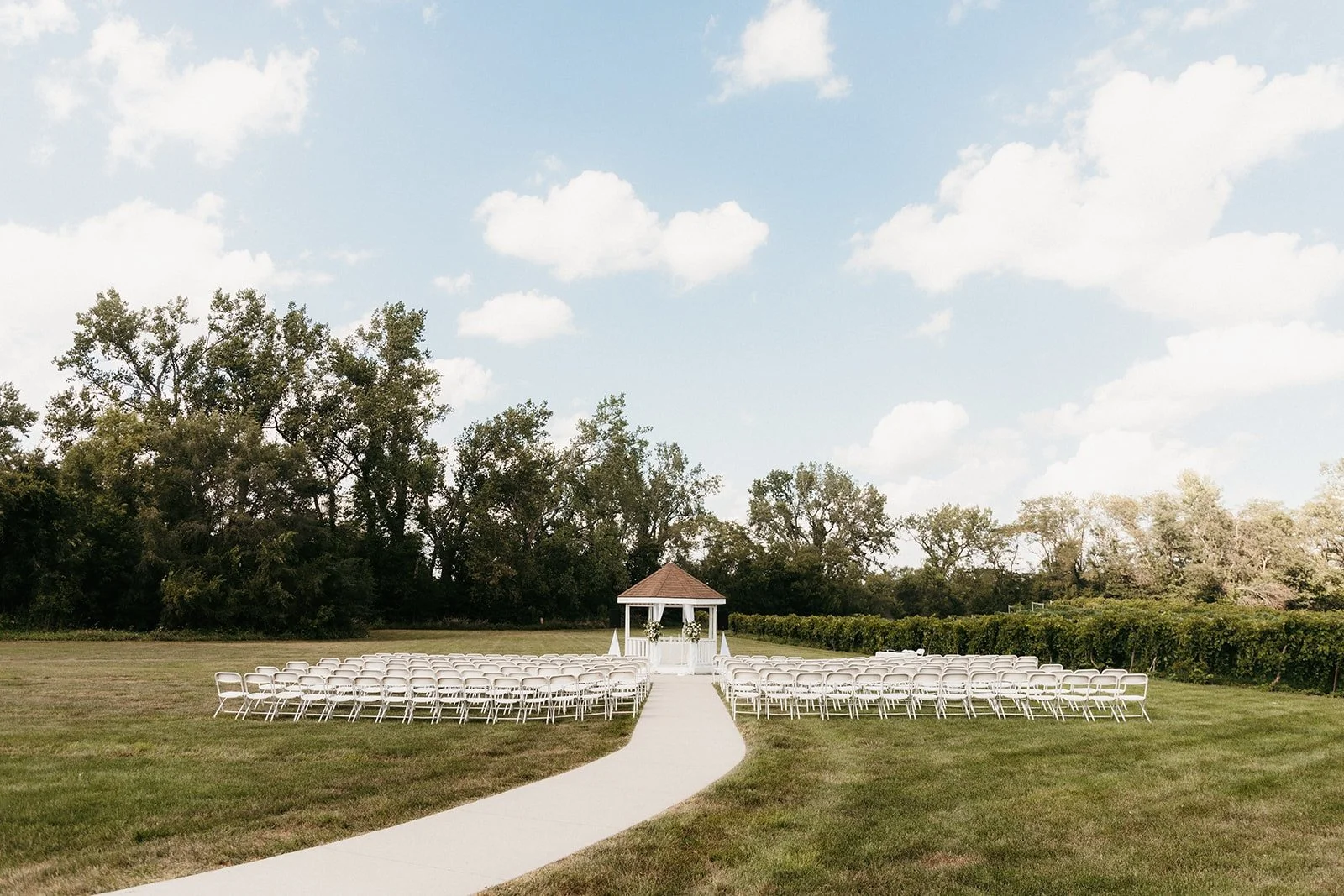
Vibing With Your Venue
Not all venues operate the same way, and understanding the difference can save you time, money, and unnecessary surprises.
Some venues are highly inclusive, offering in-house catering, bar service, rentals, coordination support, and décor packages. Others provide a beautiful space and allow you to build your vendor team from the ground up. Neither option is better — it simply depends on your planning style, priorities, and desired level of customization.
Be sure to read contracts carefully and ask questions early. Understand payment schedules, cancellation policies, alcohol requirements, noise restrictions, cleanup expectations, and vendor guidelines.






And here's an important distinction many couples discover along the way: a venue coordinator and a wedding planner are not the same role. Venue coordinators are incredibly valuable and typically oversee venue operations, property-related logistics, and in-house services. A planner, however, focuses on your overall wedding experience across all vendors and details.
Vendor policies matter, too. Some venues offer preferred vendor lists or require specific partners. While that may sound restrictive at first, these lists often feature trusted professionals who know the space well and work efficiently within the venue's systems. If you already have your heart set on a florist, caterer, or entertainment company, confirm compatibility before signing a contract.





Creating Your Guest List
Your guest list influences nearly every wedding decision you'll make, from venue selection and catering costs to invitation counts, rentals, and seating layouts.
Start with your must-have guests: immediate family, closest friends, and essential VIPs. From there, you can begin expanding thoughtfully.
Using a shared spreadsheet or digital planning tool can make this process much easier, especially when family members are helping gather names, addresses, meal preferences, and RSVP details. Keeping information organized early will save you major headaches later.
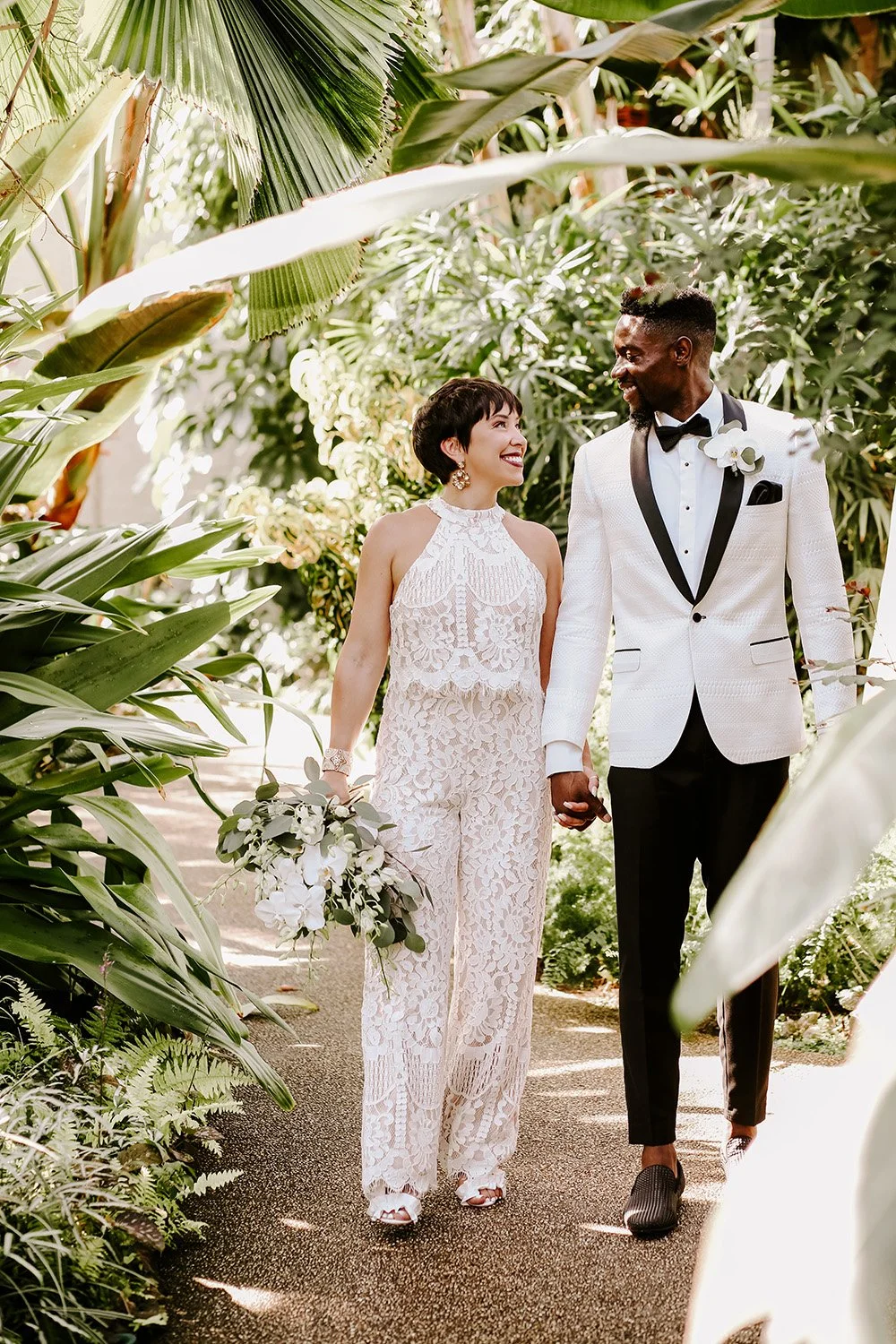








And while guest list conversations can sometimes feel emotional or complicated, remember this: there is no universally "correct" number of guests. An intimate gathering can feel deeply meaningful. A large celebration can be incredibly joyful. The right size is the one that feels authentic to you, your priorities, and your budget.
Once you have a working guest estimate, venue shopping becomes far more manageable. You'll know which spaces realistically fit your crowd, your flow, and the atmosphere you're hoping to create.
Wedding planning is full of moving pieces, but starting with a thoughtful budget, clear priorities, and a venue that fits your vision helps everything else fall into place.